
History of UK Sheep Farming
In this section we will explore how UK sheep farming has evolved over the years; it will include the following:
- The beginning of Sheep Production in the UK
- Wool
- Meat
You can navigate to the most relevant learning outcome or work through the unit from the beginning to the end.
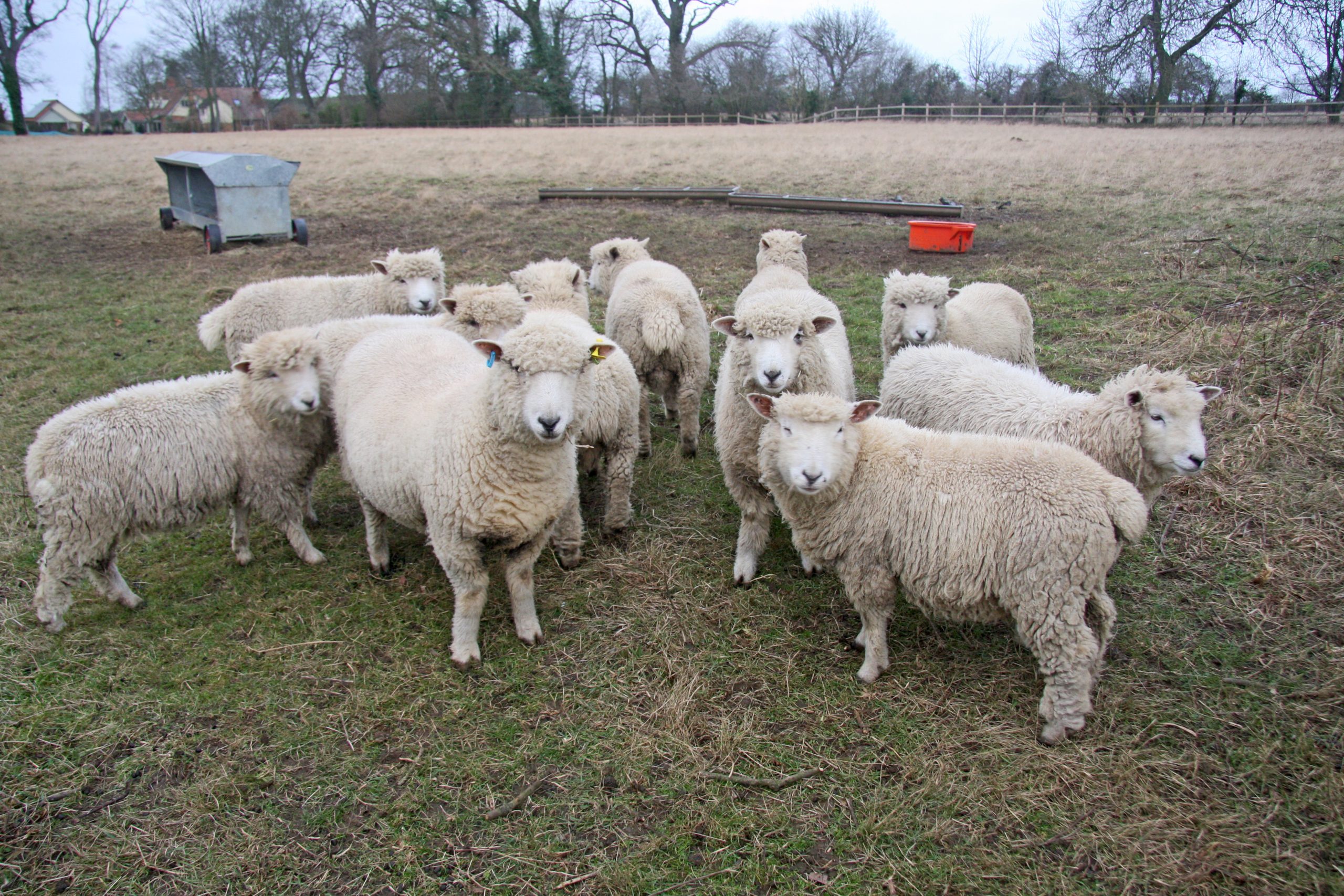
Sheep Production in the UK
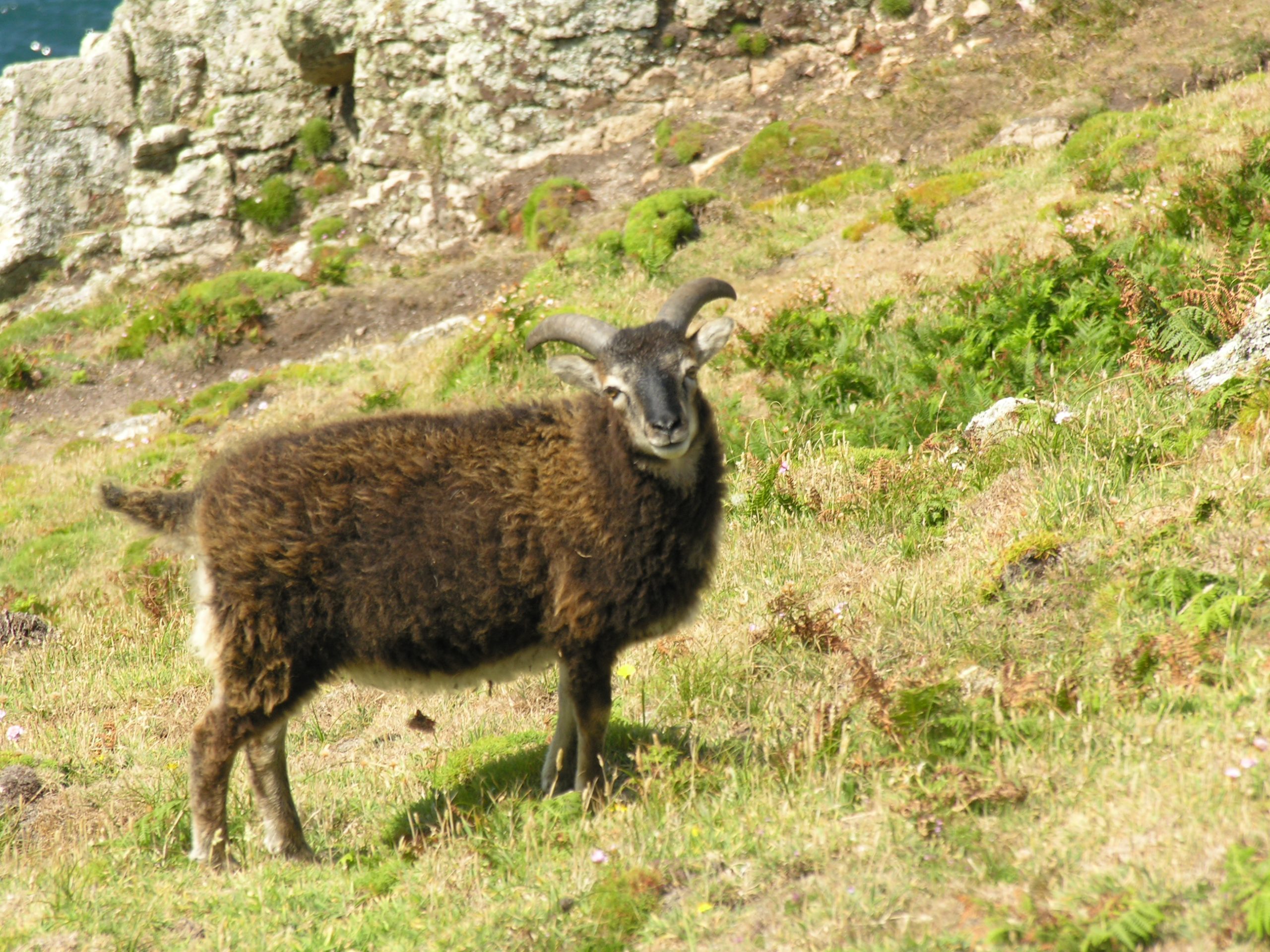
Wool was one of the first textile materials to be spun and woven to form clothing for people, especially during the wet and colder period of the Iron Age.
Wool
Wool is shorn annually due to animal welfare reasons. Sheep breeds have evolved and developed over the years to produce various types of wool, from sheep living on the harsh hills, with their thicker and more robust wool, compared to lowland sheep, with softer wool. The wide variation in the fleece and the suitability of certain breeds to certain areas is a phenomenon unique to British sheep breeds.
Meat
The majority of lambs born across the UK are supplied to the meat production industry. But a proportion of lambs are kept for breeding.
Prime lamb is meat that is under 1 year old, and anything older than that is considered mutton.
Ewes that are not considered suitable to be retained in the flock will be sold as ‘cull ewes.’ These ewes would be culled and the meat sold for foods like ready meals.
We’ll find out more about lambs selection and selling methods in module 4.