
The suckler cow cycle
Introduction to the suckler cow cycle
The suckler cow cycle is a key component of beef production in the UK and refers to the system where beef cattle are raised by their mothers (suckler cows) until they are weaned. This system is different from dairy cattle, as suckler cows are kept specifically for beef production.
The cycle describes the entire process from breeding to the sale or slaughter of finished cattle.
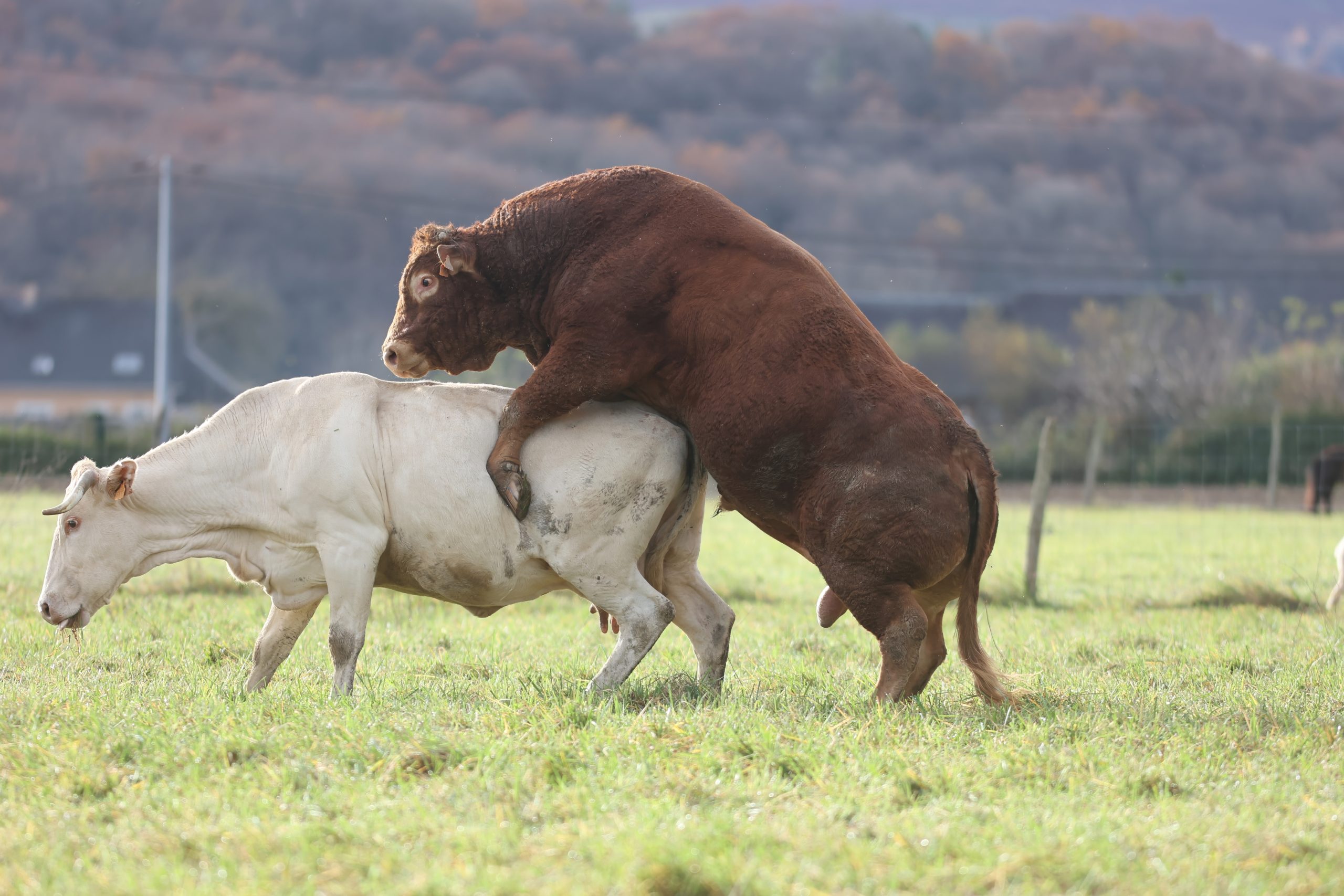
Mating
The breeding season is often timed so that calves are born in the spring (between February and April) allowing for turnout in April/May when grass is abundant, and the cow would have access to plenty of grass to produce high quality and quantity of milk for her calf. Although many calve in the spring, some often calve in the autumn as well.
Calving
After the gestation period, the cow gives birth. In the UK, spring calving is common because it allows the calves to grow during February to April months when pasture is plentiful.
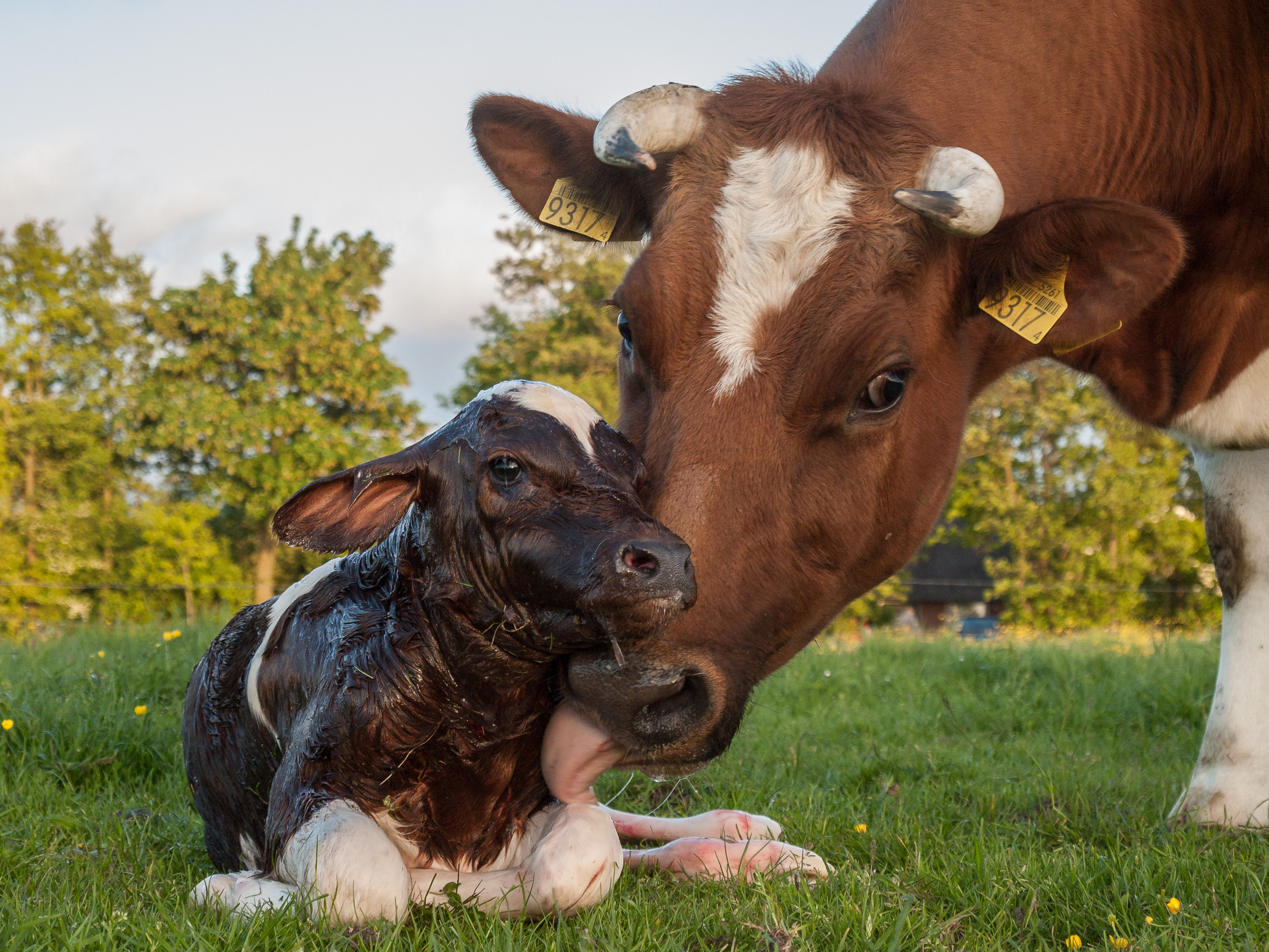
At birth, the calf stays with its mother and feeds from the mother and receives colostrum for nourishment. The cow's milk provides all the nutrition the calf needs for its early growth.
During the first weeks, cows and calves are often kept in sheds to protect them from some harsh weather and allow time for the bond between cow and calf to strengthen.
Lactation
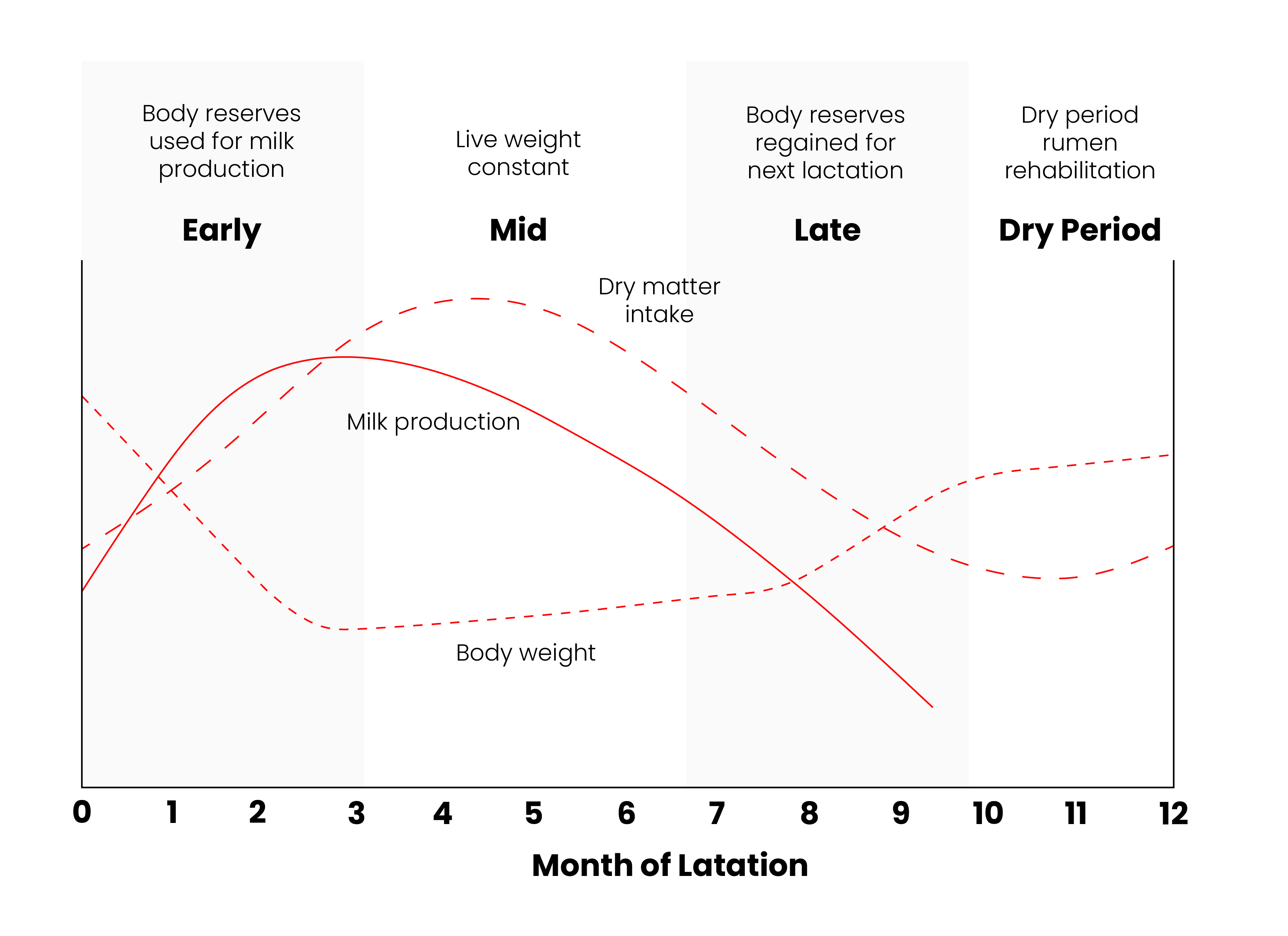
The graph below shows the lactation curve of the cow, in relation to how much she eats to regain condition after using body reserves at the start of her lactation to ensure maximum milk production.
Weaning
Weaning occurs when the calf is around 6 to 8 months old. This is when the calf is separated from the cow and stops suckling.
By this time, the calf is typically weighing between 250 to 350 kg and is capable of surviving on a diet of grass, silage, or concentrates, without the need for milk from the cow.
Weaning is a critical stage in the cycle, as it marks the point where the calf’s diet and growth accelerate, becoming independent from its mother.
Post-weaning
Store cattle are typically raised for another 12 to 18 months before reaching their finishing weight.
Video
Watch these videos to recap on what we have just looked at.
Suckler cow case study with Gethin Havard:
Overview of the production system:
By-product of the dairy industry
The dairy industry is the main source of beef production in Britain. However, calves that originate from the dairy herd are a by-product of milk production and when used for beef production they are not always suitable.
The main factors influencing the herd’s by-product suitability for the beef industry are the bulls that are used to mate with the surplus dairy cows. There are some key considerations when selecting a bull for the production cycle.