
Ear Marking
Ear marking lambs is a common practice on the Hill farms. It is done 4 to 6 weeks after birth and used for identification purposes. This involves making a small cut or notch in the lamb's ear, which creates a permanent, easily visible mark. Ear marking is typically done in conjunction with ear tagging, but it provides a simple and permanent method of indicating ownership. It is often used on the hill flocks to ensure each farm knows their stock as tags can be ripped out or lost and pitch marks can wear away.
There are 100’s of different combinations of marks that can be done.
Equipment:
You will need clean and sharp ear marking pliers designed specifically for making notches in sheep ears. The tool should be disinfected before use to prevent infections.
Record Keeping:
Have your records or a system in place to document the markings made and to which lamb they correspond. Each pattern or location of the notch can represent different things, such as flock ID, year of birth, or specific management codes.

Worming Ewes and Lambs
During late pregnancy, a ewe's immune system weakens, allowing previously controlled worm populations to increase, with the worms in the ewe's gut producing a lot more eggs. This leads to a higher release of worm eggs onto the pasture when ewes and lambs are turned out. This can be known as the ‘periparturient rise’ or spring rise. The increased contamination on the pasture can pose a risk to lambs grazing there throughout the season.
- Lambing date
- Ewe age
- Litter size
- Nutritional status
- Body condition
It is best practice to ask a vet or medical advisor on what anthelmintic dose to treat with to avoid encouraging resistance.

Dagging Ewes and Lambs
‘Dagging’ is the term used for shearing the back ends of the ewes and lambs. This ensures that they stay clean until shearing time. As shearing is done by a competent team of shearers, sometimes they may not be able to come early enough, therefore clipping the tails on the ewes to keep them clean helps prevent blowfly strike. If dagging is not an option for the farmer, there is a medical treatment which is poured on which will prevent such problems.
This photo shows what a sheep looks like before dagging. She is likely to attract blowfly. After dagging, she should be clean with no faeces in sight and will be fine until the shearers come.

Shearing
Shearing sheep is the process of removing a sheep's wool fleece, usually done once a year. It's an essential task in sheep management, benefiting both the sheep and the farmer. Here's a detailed explanation of the process, including the reasons for shearing, how it's done, and considerations to keep in mind.
Timing: Shearing is typically done in late spring or early summer, just before the onset of hot weather. This timing ensures that the sheep are not carrying a heavy fleece during the warm months. However, timing can vary based on the climate and management practices.
Pre-Lambing: Some farmers shear ewes before lambing, which can help keep the ewe clean and make it easier for lambs to find the teat. However, this requires careful timing to ensure the ewe isn't exposed to cold weather immediately after shearing.
Preparation
Select a Suitable Area: The shearing area should be clean, dry, and free of debris to protect the wool quality and reduce stress on the sheep.
Ensure Sheep are Dry: Sheep should be dry before shearing, as wet wool is heavier and harder to shear, and moisture can cause wool to rot during storage.
Shearing Technique
Position the Sheep: The sheep is usually placed in a sitting position on its haunches, with its back against the shearer’s legs. This position helps to calm the sheep and provides the shearer with easy access to the wool. On the next slide you will be able to see a shearer in action.
Style: The style followed is the Godfrey Bowen style.
Minimise Cuts and Stress: The shearer must be skilled to avoid cutting the sheep's skin. Small cuts can occur, but they should be treated immediately with antiseptic spray.
Wool Handling
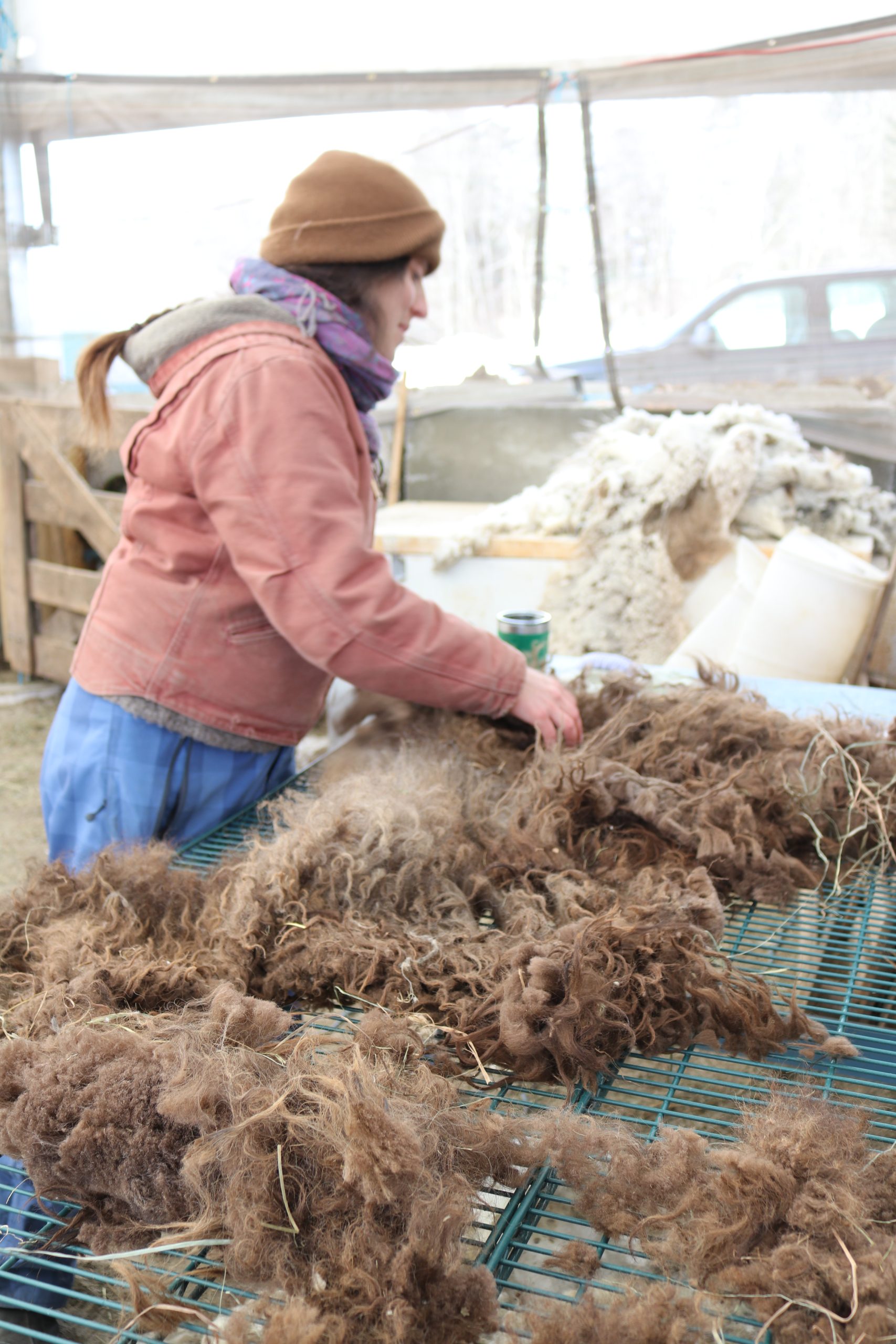
Rolling the wool: The fleece must be rolled in a specific way depending on the breed of sheep. The majority of breeds have their wool packed from inside out with the youngest wool on the outside. The fleece should be rolled from back to front and tying the fleece using the neck. This is how British Wool requires their wool to be when purchased.
Black wool should be kept separate from the white to avoid cross contamination of the colours.
Storage: Wool should be stored in a cool, dry place, free from pests. It is usually packed into wool sacks for transport away to companies that purchase the wool.
Look at this video below for a demonstration of shearing following the Godfrey Bowen style.
Dipping
Dipping is a traditional method used to protect sheep from external parasites like ticks, lice, and mites, as well as to prevent flystrike. It involves immersing sheep in a chemical solution to coat their skin and wool with a protective layer.
Parasite Control:
- Flystrike Prevention: Flystrike, caused by flies laying eggs on sheep, can be deadly if untreated. Plunge dipping helps protect sheep from this condition by killing or repelling the flies and their larvae.
- Lice and Mites Control: Dipping helps eliminate lice, mites, and other external parasites that cause irritation, wool loss, and poor health in sheep.
- Tick Control: Ticks can transmit diseases such as Lyme disease. Dipping effectively kills ticks on the sheep’s body.
- Scab Control: Scab is a parasitic disease that is contagious, and plunge dipping is one of the very limited options to eradicate the disease.
Improved Comfort:
Dipping reduces discomfort caused by itching and irritation from parasites, leading to better overall health and productivity in the flock.
Seasonal Timing:
- Spring/Early Summer: Dipping is often done in spring or early summer, before the peak fly season, to prevent flystrike.
- Autumn: A second dip in autumn can be beneficial, especially in areas with high tick populations.
Post-Shearing:
After Shearing: It's common to dip sheep shortly after shearing when the wool is short, allowing the dip solution to penetrate more effectively. However, ensure any shearing wounds are healed before dipping to prevent irritation.
Weather Considerations:
- Dry Weather: Dipping should be done on a dry day to prevent rain from washing off the dip solution before it has time to dry and be effective.
- Avoid Extremes: Dipping should not be done in extremely hot or cold weather, as it can stress the sheep.
A licence is necessary to purchase, use, and dispose of sheep dip, ensuring that it is handled safely and in compliance with environmental protection laws. This helps protect both human health and the environment from potential hazards. Therefore if the farmer does not possess the required certificates and licences a licenced contractor should be contacted to complete this task.
Dipping Process:
Keep Moving: After dipping, the sheep should move out of the tank and onto a draining area where excess dip can run off. This area should be designed to prevent the dip solution from contaminating the environment.
Environmental Considerations:
Disposal of Used Dip: Used dip should be disposed of according to local regulations to avoid environmental contamination. This often involves storing and later treating or disposing of the dip in a safe manner.
Record Keeping:
Document: Keep records of the dipping, including the date and type of dip used.
Weaning
Weaning is a critical stage in sheep farming where lambs are gradually transitioned from their mother's milk to a solid diet. This process is essential for the health and growth of the lambs and the welfare of the ewes.
Efficient Use of Resources: Weaning helps manage pasture resources more efficiently by separating the nutritional needs of lambs and ewes.
Age: Lambs are typically weaned at around 12 to 16 weeks of age, depending on their growth rate, the condition of the ewes, and farm management practices.
Weight: Another factor in determining weaning time is the lamb's weight. Lambs are usually weaned when they reach about 2.5 times their birth weight.
Season and Forage Availability: Weaning may be adjusted based on the availability of pasture and seasonal conditions. For example, if pasture is scarce, early weaning may be necessary to ensure lambs have adequate nutrition.
Pre-Weaning
Preparation
Creep Feeding: Introduce lambs to solid food before weaning through creep feeding. This involves providing high-quality feed that only lambs can access. It helps them adjust to a solid diet and reduces stress during weaning. It does not have to be creep feeding, it can be done with grass.
Health Checks: Ensure lambs are in good health before weaning. Vaccinations and treatments for parasites like worms should be administered if necessary.
Weaning
Process
Gradual Separation: Separate lambs from their mothers. Allow ewes to have the barer fields to ensure proper dry off, and let the lambs have the better grass covered fields to try to fatten them as soon as possible.
Solid Diet: Ensure lambs have access to high-quality pasture, hay, and a balanced concentrate feed during and after weaning. This helps them transition smoothly to a fully solid diet.
Ewe Management
Reduce Milk Production: After weaning, ewes will gradually reduce milk production. To prevent mastitis (inflammation of the udder), reduce their diet temporarily, particularly high-energy feed.
Health Check: Check ewes for any health issues post-weaning, particularly udder health. If any ewe shows signs of mastitis, it should be treated promptly.