
Tupping
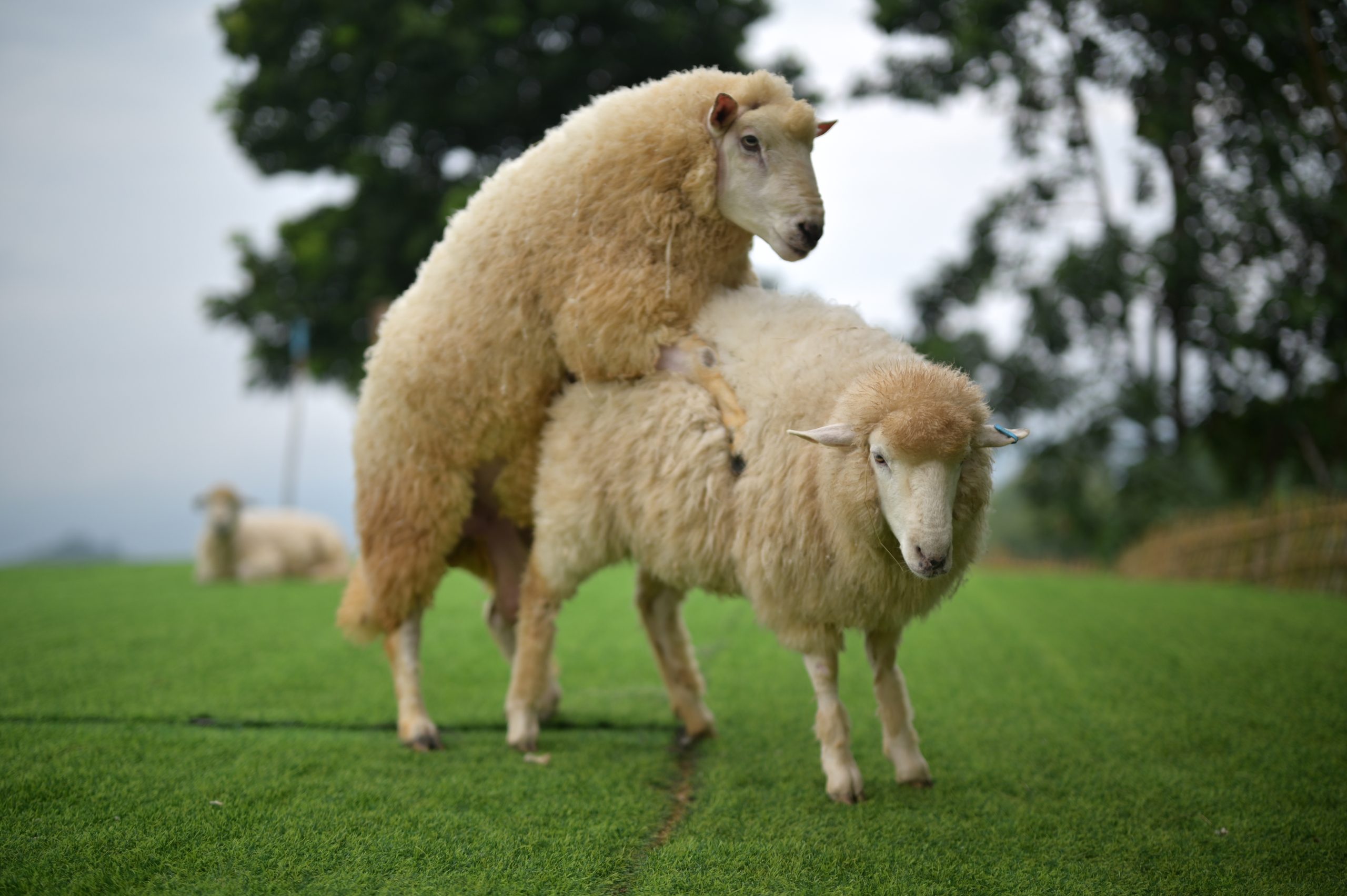
Tupping is the term used in sheep farming for the mating season when rams (also called “tups”) are introduced to the ewes for breeding.
During tupping, the ram mates with the ewes when they come on heat (estrus). The goal is to ensure that the ewes become pregnant so they can give birth to lambs in the spring. Farmers carefully manage this period to maximise the success of breeding and ensure a healthy lamb crop.
Semen
Ram semen production is the process where rams produce sperm to fertilise the eggs of ewes during mating. The process takes place in the testicles, where sperm cells are continuously generated.
Here’s a simple breakdown:
Testicles:
The ram’s testicles produce sperm through a process called spermatogenesis. This occurs continuously, ensuring that the ram can produce viable sperm throughout the breeding season.
Sperm Maturation:
After production, the sperm cells mature in the epididymis, a coiled tube on the back of the testes, where they gain the ability to swim and fertilise an egg.
Semen:
Sperm is mixed with fluids from the accessory glands to form semen, which helps transport the sperm during mating.
Release:
During mating (tupping), the semen is released during ejaculation and deposited in the ewe’s reproductive tract, where it can fertilise her eggs if she is in heat.
Proper nutrition, health, and management of the ram are important to maintain good semen quality for successful breeding.